

Integrated Logistics Special Bonded Zone (ILBZ/SILZ): Redefining Global Supply Chains in Riyadh 2026
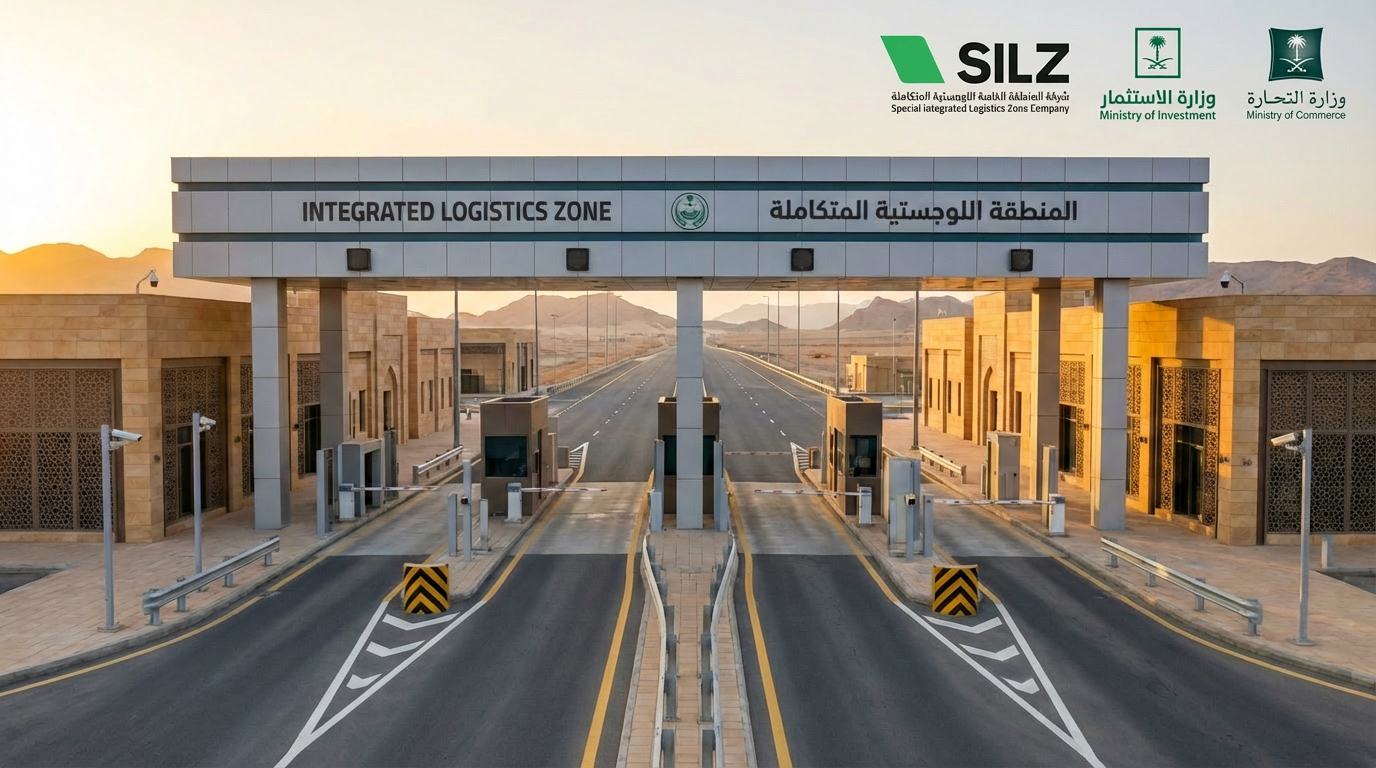
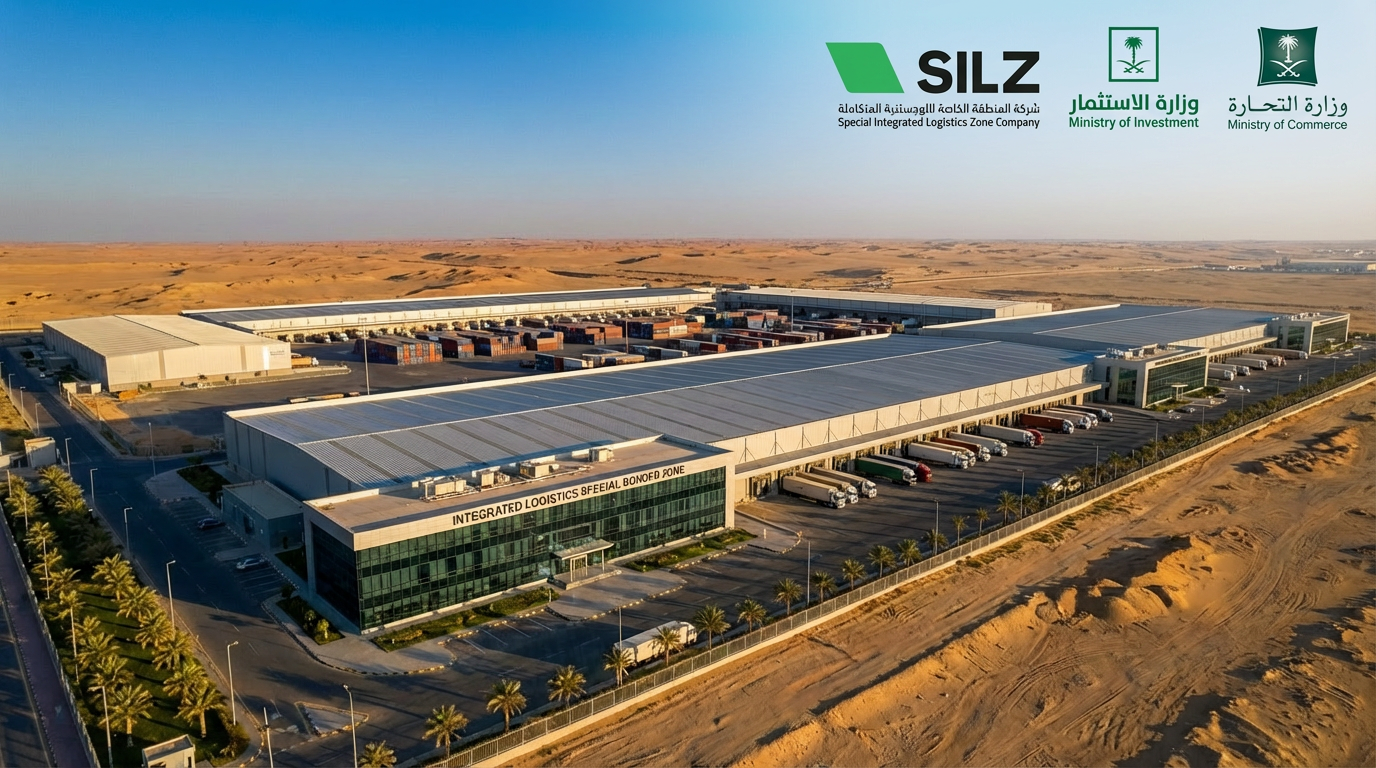
The Integrated Logistics Special Bonded Zone (ILBZ), also known as Riyadh Integrated, located at King Khalid International Airport, stands as Saudi Arabia's first fully operational Special Economic Zone (SEZ) designed as a "cross-border" logistics platform. This zone is a core component of the strategy to position Riyadh among the top ten city economies in the world, leveraging a strategic location that connects Asia, Europe, and Africa.
Legislative Framework and Regulatory Environment
Established by Royal Order (A/17), the zone is overseen by the General Authority of Civil Aviation (GACA) in close coordination with the Zakat, Tax and Customs Authority (ZATCA). The ILBZ operates under a unique "Special Bonded Zone" system, which facilitates the movement of goods with suspended customs duties and taxes until they enter the local market or are re-exported.
The "One-Stop Shop" Model
To eliminate traditional bureaucratic hurdles, the zone provides a streamlined procedural system through GACA. All necessary licenses, certificates, and permits are issued by a single governing entity, significantly reducing the lead time required to commence operations.
Exceptional Financial and Tax Incentives for 2026
The ILBZ offers a suite of financial advantages that are unparalleled in the region, providing long-term fiscal security for global investors:
50-Year Tax Holiday: Licensed entities enjoy a 0% corporate income tax rate on qualifying logistics activities for a period of 50 years.
VAT Suspension: Goods and services traded within the zone, or between the ILBZ and other bonded zones, remain outside the scope of Value Added Tax (VAT).
Withholding Tax (WHT) Exemptions: No withholding taxes are applied to dividend distributions or payments to related parties for technical services or administrative fees directly linked to the zone’s activities.
100% Foreign Ownership: International investors maintain full ownership rights with no restrictions on capital repatriation or profit transfers abroad.
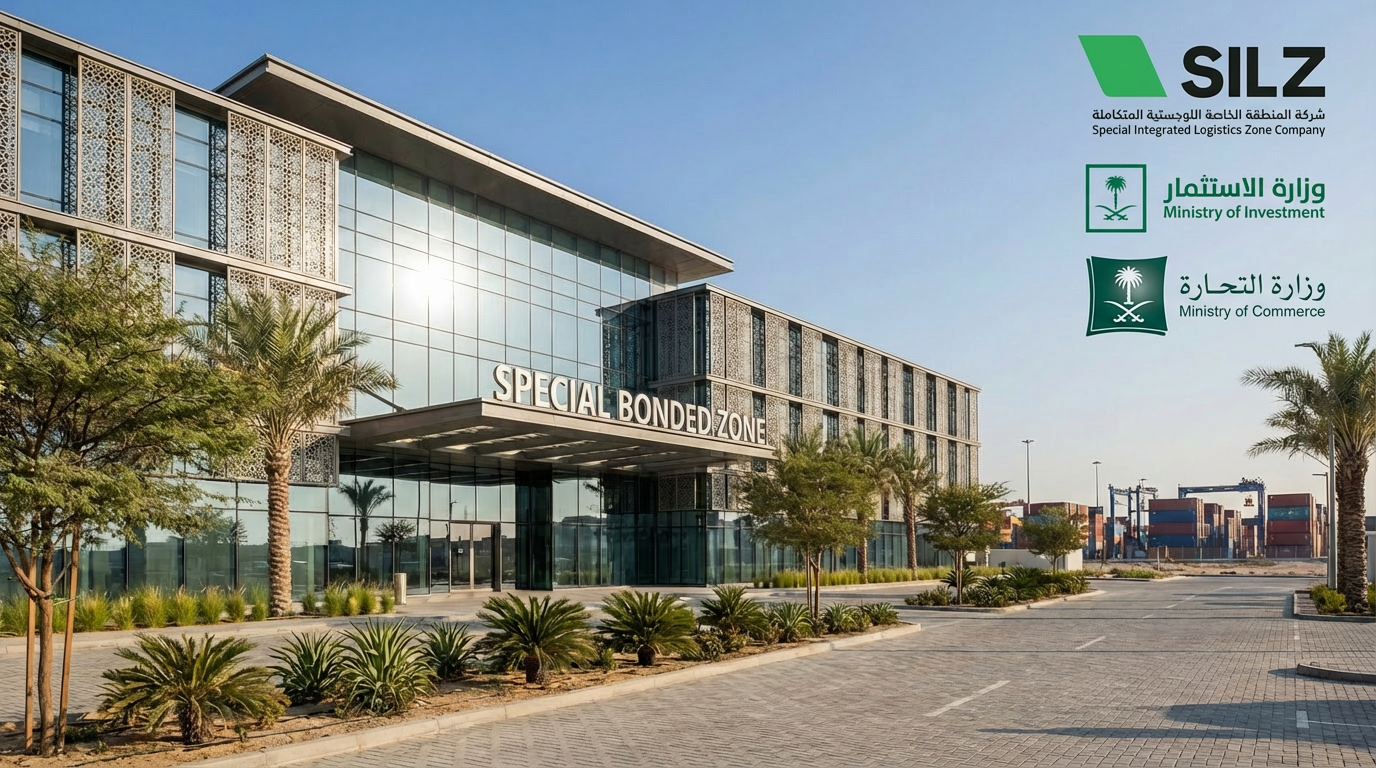
Operational Advantages and Immediate Connectivity
Riyadh Integrated relies on a sophisticated digital and physical infrastructure designed to accelerate the flow of goods across continents.
1. The "Bonded Corridor" System
The zone is directly connected to the airport tarmac via a specialized customs-secured corridor. This allows goods to be transferred from the aircraft to the zone’s warehouses in less than four hours, compared to the 24-hour average in traditional regional logistics hubs.
2. Permitted Business Activities
Regulatory frameworks allow for a wide range of economic activities, including:
Light Manufacturing and Assembly: Simple installation, packaging, and re-packing operations.
After-Sales Services: Maintenance, repair, and modification of technical equipment.
E-commerce Fulfillment: Global distribution centers for consolidating and processing international orders.
Sorting and Coding: Improving the condition of goods and preparing them for final distribution.
3. Labor Law Flexibility
The zone implements flexible and customized "Nitaqat" (Saudization) frameworks. These aim to balance the employment of national talent with the operational needs of multinational firms to attract specialized global expertise, often including long-term exemptions.
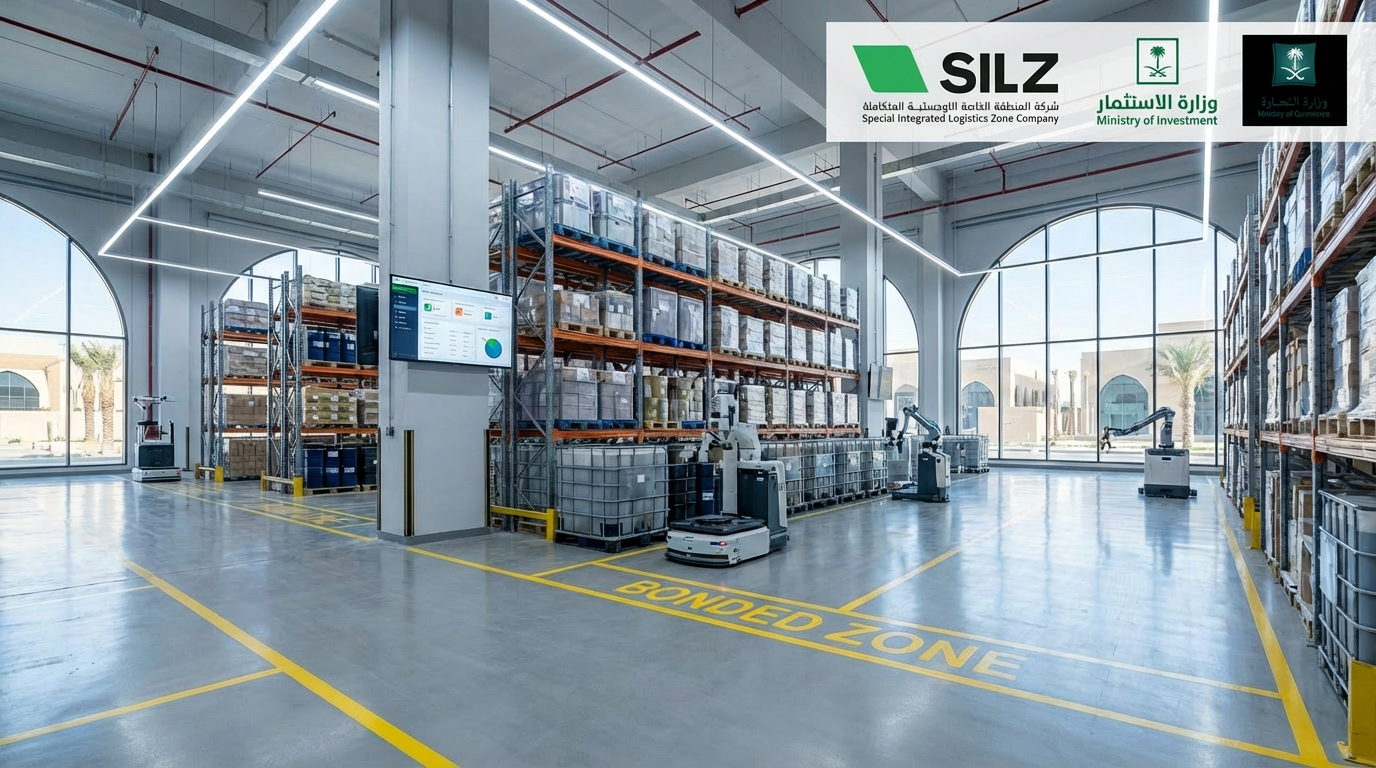
Digital Compliance and ZATCA Integration in 2026
As of 2026, all establishments within the zone must adhere to technical inventory systems compatible with ZATCA's platforms. This ensures real-time tracking of goods held under customs suspension.
| Compliance Type | Technical Requirement | Objective |
|---|---|---|
| Inventory Management | API Integration with ZATCA | Real-time monitoring of bonded goods |
| Electronic Invoicing | "Fatoora" System (Phase 2) | Ensuring financial and tax transparency |
| Periodic Auditing | Separate Accounting Records | Isolating exempt profits from mainland activities |
Frequently Asked Questions (FAQ)
1. Can a non-resident merchant operate within the zone?
Yes. The zone's regulations allow non-resident merchants to conduct logistics activities and store goods without the need for a Saudi Commercial Registration (CR) or a permanent establishment on the mainland.
2. What is the difference between ILBZ and traditional free zones?
The ILBZ is uniquely integrated with airport systems and customs technology, offering the longest tax holiday in the region (50 years) and 0% VAT on simple manufacturing—a major competitive edge for tech and retail firms.
3. How are goods handled when exiting the zone?
Goods exported outside the Kingdom or to another bonded zone remain exempt. Customs duties and VAT are applied only at the moment the goods enter the Saudi local market (Mainland).
4. Is there a minimum capital requirement?
GACA does not impose a fixed "one-size-fits-all" minimum capital. Instead, each project is evaluated based on its Business Plan, expected economic impact, and the scale of proposed logistics operations.
Conclusion
The Integrated Logistics Special Bonded Zone in Riyadh serves as the backbone of the Saudi non-oil economy for 2026 and beyond. With tax exemptions spanning two generations and a geographical reach that puts 70% of the world's population within an 8-hour flight, it remains the premier choice for global trade and technology companies seeking to dominate supply chains in the Middle East.